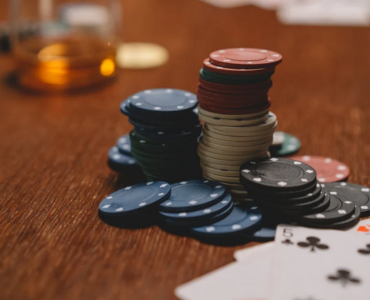
“Free play” sounds like the safest deal imaginable. No risk, no commitment, just a chance to try your luck without opening your wallet. That promise is exactly why bonuses, free spins, and matched deposits are so powerful. While they’re marketed as friendly perks, free play offers are often engineered to shape behavior in subtle ways. What looks like a gift can quietly turn into a psychological nudge that keeps players engaged longer than they planned.
The Illusion of Zero Risk
The biggest appeal of free play is the idea that there’s nothing to lose. When money doesn’t feel like money, decisions change. Players tend to take bigger risks, play longer sessions, and experiment with higher volatility games. This mirrors how people treat “house money” differently from their own cash. The illusion of zero risk lowers emotional defenses, making it easier to slide into patterns that wouldn’t feel comfortable with real stakes.
Why Bonuses Feel So Urgent
Most free play offers come with strings attached—wagering requirements, time limits, or minimum bets. These conditions create a subtle sense of urgency. Instead of casually enjoying the bonus, players may feel pressured to keep playing just to “unlock” the reward. In games similar to diwa 777 game experiences, this urgency can transform a fun extra into a task that demands attention, pushing players to chase completion rather than enjoyment.
When Free Play Blurs Spending Awareness

Free play often separates the act of betting from the emotional impact of spending. Chips, credits, or bonus balances don’t register the same way cash does. This disconnect makes it harder to track losses and easier to justify continued play. By the time the bonus runs out, players may be more comfortable wagering real money because the transition feels gradual rather than abrupt.
The Hook of “Almost Winning”
Bonuses frequently expose players to extended sessions filled with near wins and small payouts. These moments are psychologically powerful. Even when no real profit is made, the experience of frequent feedback keeps motivation high. The brain remembers the excitement more vividly than the outcome, reinforcing the desire to keep playing long after the free portion ends.
Loyalty Disguised as Generosity
Ongoing free play offers are often framed as rewards for loyalty. While that can feel flattering, it also strengthens attachment to a platform or game. Over time, players may feel invested simply because they’ve already accepted so many bonuses. This sense of commitment can make it harder to step away, even when play stops being fun.
Free play bonuses aren’t inherently bad, but they’re far from neutral. They’re carefully designed to reduce friction, increase engagement, and encourage habits that benefit the house more than the player. Understanding how these incentives work doesn’t mean avoiding them entirely—it means using them intentionally. When you recognize the behavioral traps behind “free,” you regain control over how, why, and how long you play.